
As a homeowner choosing to invest in replacement windows is a big decision. There are a lot of options to consider such as style, shape, color, and construction materials. As you contemplate window replacement for your home, one of the decisions you’ll face is whether to go with casement windows or double-hung windows. Both have their pros and cons, which we’ll break down in this post. By the end, you should be able to make a more informed decision about which type of window is best for your needs.
What's the Difference?
Double-hung windows are made from two pieces that consist of an upper sash and a lower sash. This allows you to open the window from the top or the bottom as the sashes slide up and down within the window frame. Having the option to open only the top portion of the window is a great safety feature for small children and pets.
Casement windows open and close with a hinge on the side, just like opening a door. They typically have a cranking mechanism to operate the window and a lever lock to secure closed.
What Do the Windows Have in Common?
Both types of windows can be made of high-efficiency, double or triple-paned glass, and can be manufactured from a variety of framing materials such as vinyl.
Both windows offer superior energy efficiency, with casement windows providing a slightly tighter seal around the window when closed with a lever lock.
Both types of windows are durable. However, casements have more exposure to the elements when opened since they crank open outwards. In wet climates, a double-hung style may be a better choice with its full enclosure.
Both styles of windows are easy to clean inside, but a double-hung can be made with a tilt-in mechanism which makes cleaning the exterior of the window simple.
Beyond the Differences and Similarities
Now that you have the basics of their differences and similarities, the rest is up to you and your home. This means, it all depends on:
Views
If you have a great view outside your window and it’s a focal point of the room, you may lean toward casements. Casement windows offer an unobstructed view and act like pictures that can be opened for fresh air.
On the other hand, double-hung windows have horizontal rails in the middle where the window aligns. Even if you choose to have a traditional multi-paned grid or leave the sections clear of grids, the meeting rail will still break up your view, especially if the window is opened. Also sliding windows that open from side to side have a vertical meeting rail that obstructs your view when opened.
Placement
One important consideration is the placement of your window and the range of space required to swing open casement windows to the outside. For example, if there are trees or shrubbery, or a seating area outside the window, casement windows could pose a hazard or be an inconvenience when opened.
Style
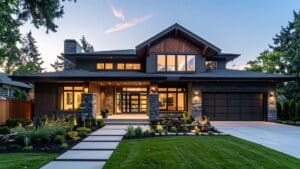
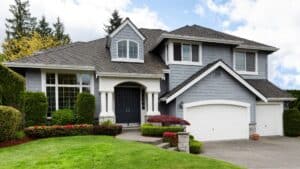
When it comes to boosting your home’s curb appeal, replacement windows are a good investment. If you want a traditional look, then Colonial or Cape Cod styles will fit right in with a double-hung and traditional grid pattern. For modern or contemporary style homes the simplicity of casement windows typically looks better.
Screens
Depending on how you feel about screens, double-hung windows usually have screens attached on the outside, while casement windows have the screen attached inside. This allows the window to swing open while keeping it covered by the screen.
Opening Access
You should consider your access for opening your window. Think about how difficult it can be to open a double-hung window in front of a kitchen sink, especially for those who aren’t tall enough to reach the sash.
Having a fold-out crank at the base of a casement window can be beneficial over having to raise and lower double-hung windows by hand, especially if the windows are opened regularly.
Airflow
Open casement windows can be like the sail on a sailboat, catching the wind and bringing it inside. However, when winds become intense, it is important not to leave the windows open during storms.
Beautiful Replacement Windows in Colorado Springs & Monument
No matter which type of window you choose, we at Clearview Distributors would love to discuss the options available for replacement windows. Begin your project of quality windows with a free design consultation. Our skilled professionals will help you make the best decision for your needs and budget. Contact the Colorado Springs window installation experts at Clearview Distributors today.
Casement Vs. Double-Hung FAQs
Casement windows are hinged on one side and open outward like a door, typically using a crank mechanism. Double-hung windows have two sashes that slide vertically within the frame, allowing you to open the window from either the top or the bottom.
Casement windows usually offer better energy efficiency than double-hung windows due to their tight seal when closed. The compression seal around the frame prevents air leakage, whereas double-hung windows may have more gaps due to the sliding mechanism, which can lead to increased energy loss.
Casement windows provide better ventilation, as they can open fully, allowing for maximum airflow. Double-hung windows can also provide good ventilation, but since only half of the window can be open at a time, the overall airflow may be limited in comparison.
Window air conditioners are generally more compatible with double-hung windows, as they can be installed in the lower sash. Casement windows often require a custom-designed bracket or a specially designed casement window air conditioner, which can be more difficult to find and may be more expensive.
The costs of casement and double-hung windows can vary depending on the materials used and the specific features you choose. However, casement windows tend to be slightly more expensive than double-hung windows. Maintenance-wise, both windows require regular cleaning, but casement windows may require more attention to the hardware, such as the crank mechanism, to ensure smooth operation.