

The New Energy Efficiency Standards Coming in 2026
Beginning January 1, 2026, Colorado’s construction industry faces a significant change as House Bill 23-1161 takes effect. This legislation mandates that all residential windows and doors sold in Colorado must utilize products that meet Energy Star 7 requirements for the Northern climate zone. This is law and supersedes any energy requirements established by building codes. While the intention behind this bill is to promote energy efficiency and sustainability, the reality for contactors and homeowners presents some serious challenges. This law will adversely affect product affordability, availability, and real-world efficiency of windows and doors that can be purchased in the state. Here at Clearview Distributors, we have been taking the initiative to write letters and contact the Colorado Home Builders Association, raising awareness at our capital in an effort to revise this law.

Impact on Contractors and Homeowners
Cost Increases
The financial impact of this bill on construction cannot be understated:
- Low-cost vinyl products: 15-20% price increase
- Mid-grade composite and fiberglass windows: 15-20% base increase, plus an additional 30-40% increase where casement windows must replace sliding options
- High-end custom windows (wood interior/clad exterior or all-metal): 40-50% price increase, with even higher costs for more complex designs
For a typical home, these increases could add $10,000 – $50,000 to construction costs. With additional costs for new tariffs, new energy requirements targeting other building materials, and the cost of construction defects litigation impacts, the legislative efforts of Colorado to increase housing affordability is going in the wrong direction.
Product Availability Concerns
According to the EPA, approximately 80% of current window and door products meet Energy Star 7 requirements. Real world data shows that not to be the case for products used in Colorado. Elevation is routinely left out of these statements painting a picture that is accurate for Colorado. Clearview can report that currently 75% of the windows offered by our 10 different manufacturers do not meet Energy Star 7 requirements for the entire state of Colorado. These manufacturers are scrambling to develop compliant solutions, but the timeline is tight, and innovation is constrained by physical limitations and technology.
The situation becomes even more challenging for projects at higher elevations (above 8,000 feet), where gas-filled insulated glass units may not be viable, further limiting product options and increasing costs exponentially.
Design Limitations
The new requirements may force builders to abandon certain window types altogether. Sliding windows (both horizontal and vertical) often cannot meet the stringent requirements, meaning designs must shift to primarily casement-style windows, limiting architectural options, increasing costs, and potentially altering the aesthetic character of Colorado homes. In addition, overall sizes of windows and doors may be impacted when triple glazed glass becomes the option and the additional weight drives down the sizes and configurations available.
The Unintended Consequence: Energy Performance
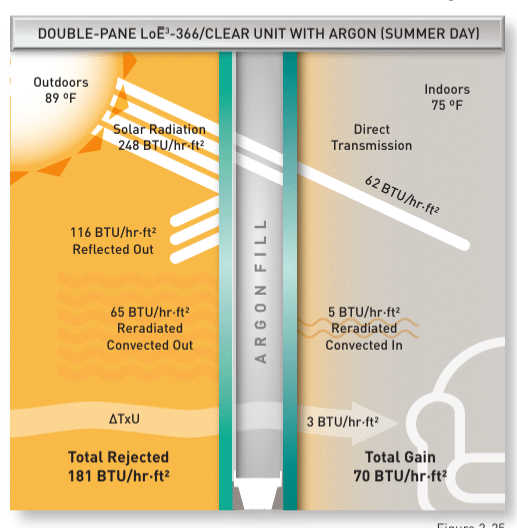
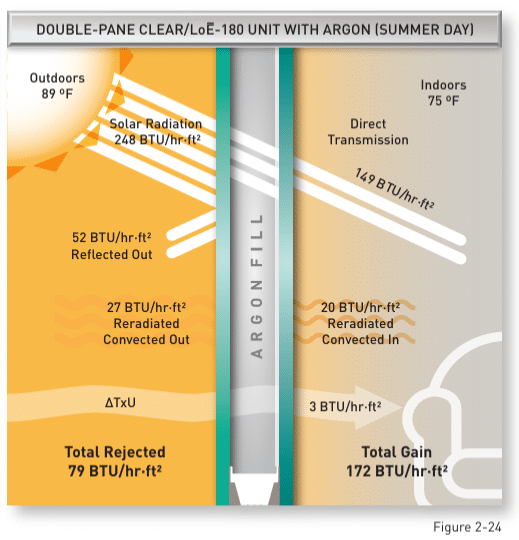
Perhaps most concerning is that the bill may actually work against its intended purpose in many cases. The Energy Star 7 Northern zone allows for a trade-off between thermal insulation (U-factor) and solar heat gain (SHGC).

*Performance in summer of Energy Star 7 “loophole” solution.
*Performance in summer of products currently specified to address unwanted solar gain.
Since achieving a U-factor of 0.22 is extremely difficult with current technology, most manufacturers will opt for the alternative: a 0.26 U-factor with a high solar heat gain coefficient (0.4 or higher). This approach was intended for passive solar homes specifically designed to utilize solar heating.
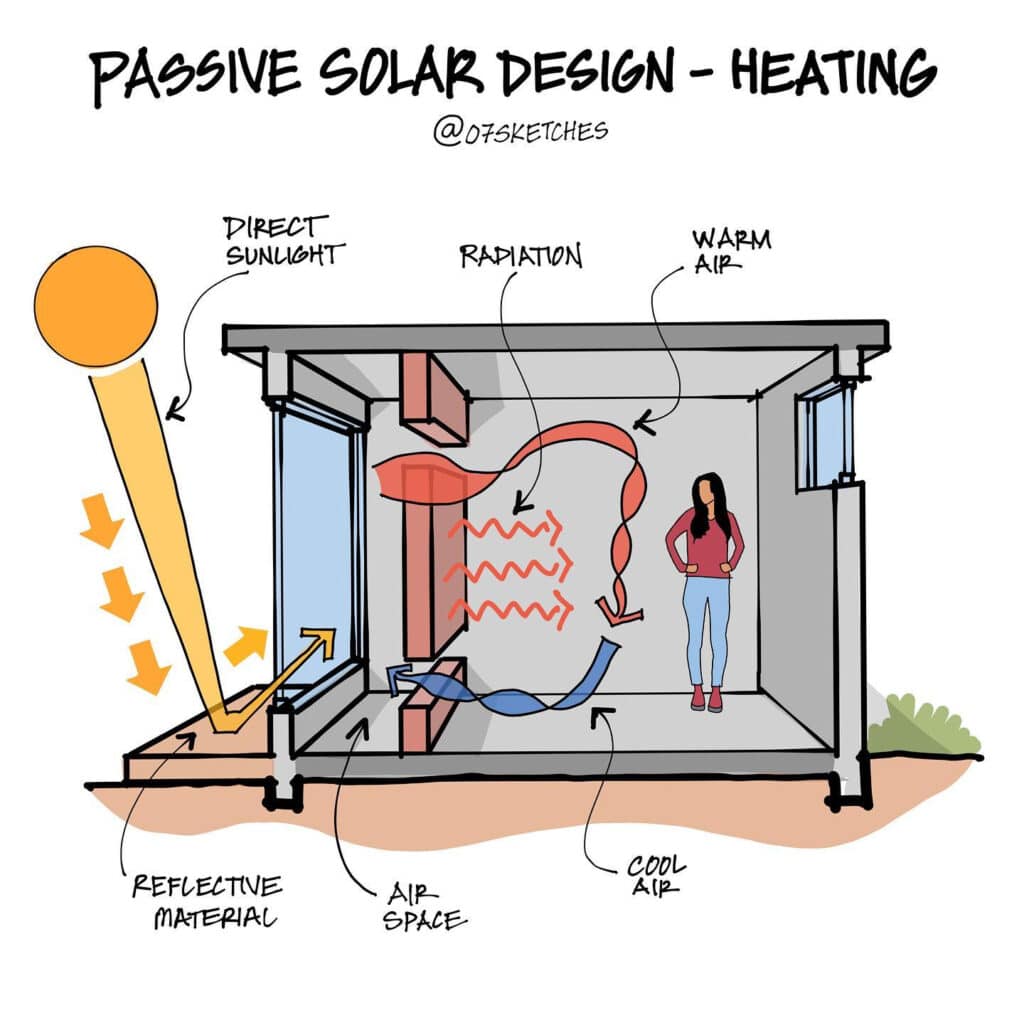
However, most Colorado homes are not designed for passive solar heating. The result? These homes will absorb significantly more solar heat in summer, increasing cooling costs and potentially negating any efficiency gains from the slightly improved U-factor. Currently, most windows installed have a U-factor around 0.28 with an SHGC between 0.28-0.32, which provides a better balance for typical Colorado homes.
Awareness Gap
Despite the significant impact this legislation will have on the building industry, awareness remains surprisingly low. Unlike building code changes that affect the permitting process, HB23-1161 operates outside typical code enforcement channels, leaving many builders unaware of the coming changes.
What Builders Can Do Now
- Educate yourself and your clients about the coming changes.
- Work with specialized distributors who understand the new requirements and can help identify compliant products.
- Advocate for revisions to the legislation through industry associations and direct contact with lawmakers.
- Begin incorporating compliant products now to understand installation requirements, cost implications, and design considerations before the mandate takes effect.
What’s Next….
While energy efficiency is an important goal for the construction industry, HB23-1161’s approach to windows and doors creates significant challenges for affordability, product availability, and potentially even overall energy performance. By working together as an industry to propose thoughtful revisions, we can achieve meaningful energy efficiency improvements without the unintended consequences of the current legislation. Please check back for updates as we seek a solution. As 2026 approaches, staying informed and proactive about these changes will be essential for Colorado’s home builders and their clients.
While energy efficiency is an important goal for the construction industry, HB23-1161’s approach to windows and doors creates significant challenges for affordability, product availability, and potentially even overall energy performance. By working together as an industry to propose thoughtful revisions, we can achieve meaningful energy efficiency improvements without the unintended consequences of the current legislation. Looking further in the Colorado Revised Statues https://casetext.com/statute/colorado-revised-statutes/title-6-consumer-and-commercial-affairs/energy-and-water-conservation/article-75-water-and-energy-efficiency-standards/section-6-75-105-standards-effective-dates-repeal there is hope for the Dept of Health and Environment to listen to the feedback from the Colorado Building Community. Please check back for updates as we seek a solution.
As 2026 approaches, staying informed and proactive about these changes will be essential for Colorado’s home builders and their clients.
Update
The new energy performance requirements have been challenged as unreasonable by Colorado window and door distributors, Colorado home builders and homebuilding associations, the Window and Door Manufacturer’s Association (WDMA), and also most recently in a study conducted by the Colorado Energy Office (CEO).
- In response to the bill being passed into law, the above parties successfully advocated for the review of the law via Colorado Senate Bill SB 24-214.
- As a result of this review request, the CEO published the Analysis of Window, Door, and Skylight Standards study, which states that requiring ENERGY STAR compliance for all windows, doors, and skylights being sold in Colorado is “unreasonable” and recommends that the requirement be changed from ENERGY STAR values to the values contained in the residential prescriptive table in the latest edition of the International Energy Conservation Code (IECC). The proposed requirements align with the 2024 IECC and include:
- Residential windows: U-factor ≤ 0.30
- Residential skylights: U-factor ≤ 0.50
- Residential doors (>½-lite): U-factor ≤ 0.30
- Opaque and ≤½-lite residential doors: Exempt from U-factor requirements
Next Steps:
- As part of the process to determine whether the law may change, based on the proposed CEO recommendations, there is a 30-day public comment period that is expected to begin mid-May, followed by a public hearing in late June.
As we learn more about the timing of the public comment period and whether the law changes, we will keep you informed. In the meantime, please reach out to Clearview if you have any questions. Thank you.