
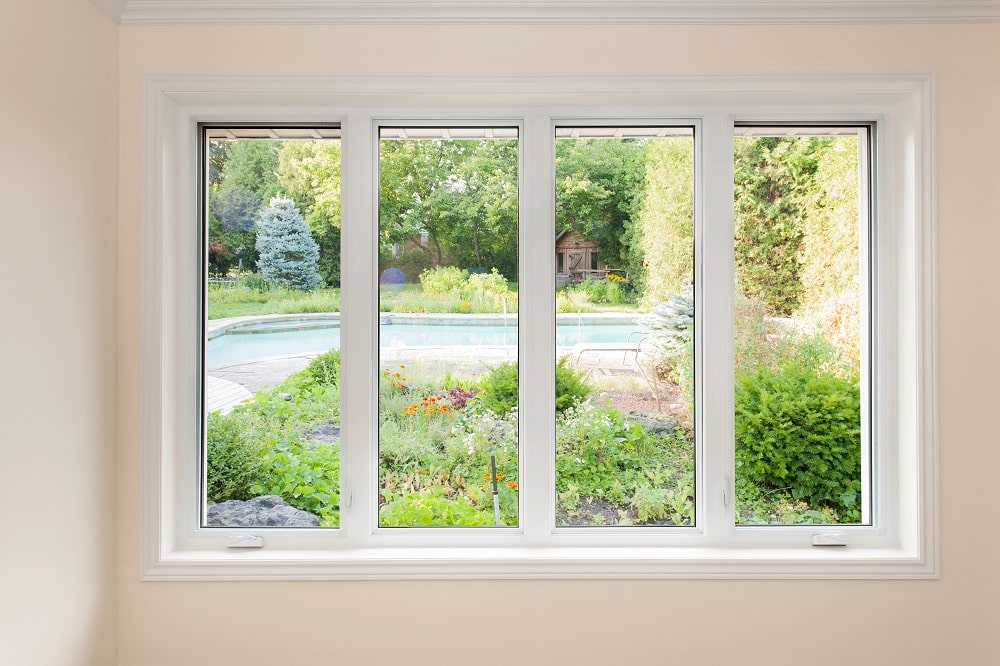
Replacement windows are a great way to keep your home cool in the summer. By installing energy-efficient windows, you can lower your air conditioning costs and keep your home comfortable but choosing the appropriate replacement windows can be difficult if you don’t know much about energy efficiency. Read on to get a better understanding of several factors to consider when choosing replacement windows to keep your home cool.
Energy-Efficient Windows
Windows allow you to enjoy your home and create a comfortable living space. They can also affect ventilation, light levels in a room as well as temperature levels throughout the home. When choosing replacement windows, be sure the styles you select will suit your home’s aesthetic and practical needs. Replacement windows come in a variety of sizes, shapes, and styles which are key considerations in deciding. Energy-efficient replacement windows are preferable because they keep your home’s temperature comfortable while saving you energy and money on your utility bills. So, whether you live in a warmer climate where air conditioning is needed or a cooler climate where warmth needs to be kept in, energy-efficient windows can provide the perfect environment for your home.
Energy-efficient windows can be constructed using multiple components that work together to improve the insulation properties of a window. To keep your home cool in the summer and warm in the winter with replacement windows, consider the following components:
Low-E Coating
Low-E stands for low emissivity and is a multi-layer coating applied to the interior pane of glass during manufacturing. This coating allows the ability of a window to reflect heat, rather than absorb it and minimizes the amount of UV and infrared light that passes through the glass in your windows. Slowing down the transfer of heat or cold through the panes of glass, Low-E coating acts as insulation. Windows fitted with this Low-E coating can significantly decrease the overall heating and cooling costs of your home.
Gas-Filled Windows
Energy-efficient windows can utilize a gas that is placed between the panes of glass. The most popular gas choice is Argon, which acts as an additional insulation barrier and slows down the transfer of cold and heat through the panes of glass.
Low-Conductivity Spacers
The use of special low-conductivity spacers and seals between panes of glass, will keep the gas in place and further reduce the transfer of any heat and cold through the window.
Multiple Glass Panes
The more panes of glass used in window construction, the better its overall energy efficiency. The best energy-efficient windows utilize all the components listed above: Low-E coating, gas-fill, low-conductivity spacers, and triple-pane glass. With these components together in windows, your home can maintain a consistent temperature any time of year.
Frame Materials
Different materials have unique properties and incorporating them within the frame of a window can improve the insulation capabilities and allow for a consistent temperature throughout your home. Vinyl windows are an ideal choice because they are created using multiple air chambers to create insulation pockets and help reduce the transfer of cold and heat through the window frame. They are also easy to maintain with no regular upkeep. Wood windows are a good choice for regulating temperature but require regular maintenance.
Custom replacement windows are a great way to improve the appearance as well as comfort and energy efficiency of your home. If you are in the market for replacement windows, call Clearview Distributors today. We would be happy to discuss your needs and provide a free estimate. Our windows are made with quality materials and installed by experienced professionals. We want to help you keep your home cool this summer!
How to Keep Your Home Cool FAQs
Energy-efficient windows are designed to minimize heat transfer between the indoors and outdoors. Features like double or triple-pane glass, low-E coatings, and gas fills such as argon or krypton work together to reduce solar heat gain and maintain a comfortable indoor temperature, thus reducing the need for air conditioning and lowering energy costs.
To maximize cooling efficiency, choose windows with a low U-factor (insulation) and a low Solar Heat Gain Coefficient (SHGC). Low-E coatings on glass panes help reflect heat, while double or triple-pane glass with gas fills insulates your home better than single-pane windows. Windows with a higher Visible Transmittance (VT) rating allow more natural light without adding heat, which can also help keep your home cool.
Shading devices can help reduce heat gain and increase cooling efficiency. Options include exterior shading devices like awnings, pergolas, and solar screens, and interior devices like blinds, shades, and curtains. Look for window treatments with a low SHGC rating and high reflectivity to block heat and sunlight effectively.